
Visionary Friday series. Don’t Fear What’s Coming. Fear What’s Already Here
Here’s something that happened to someone you probably know.
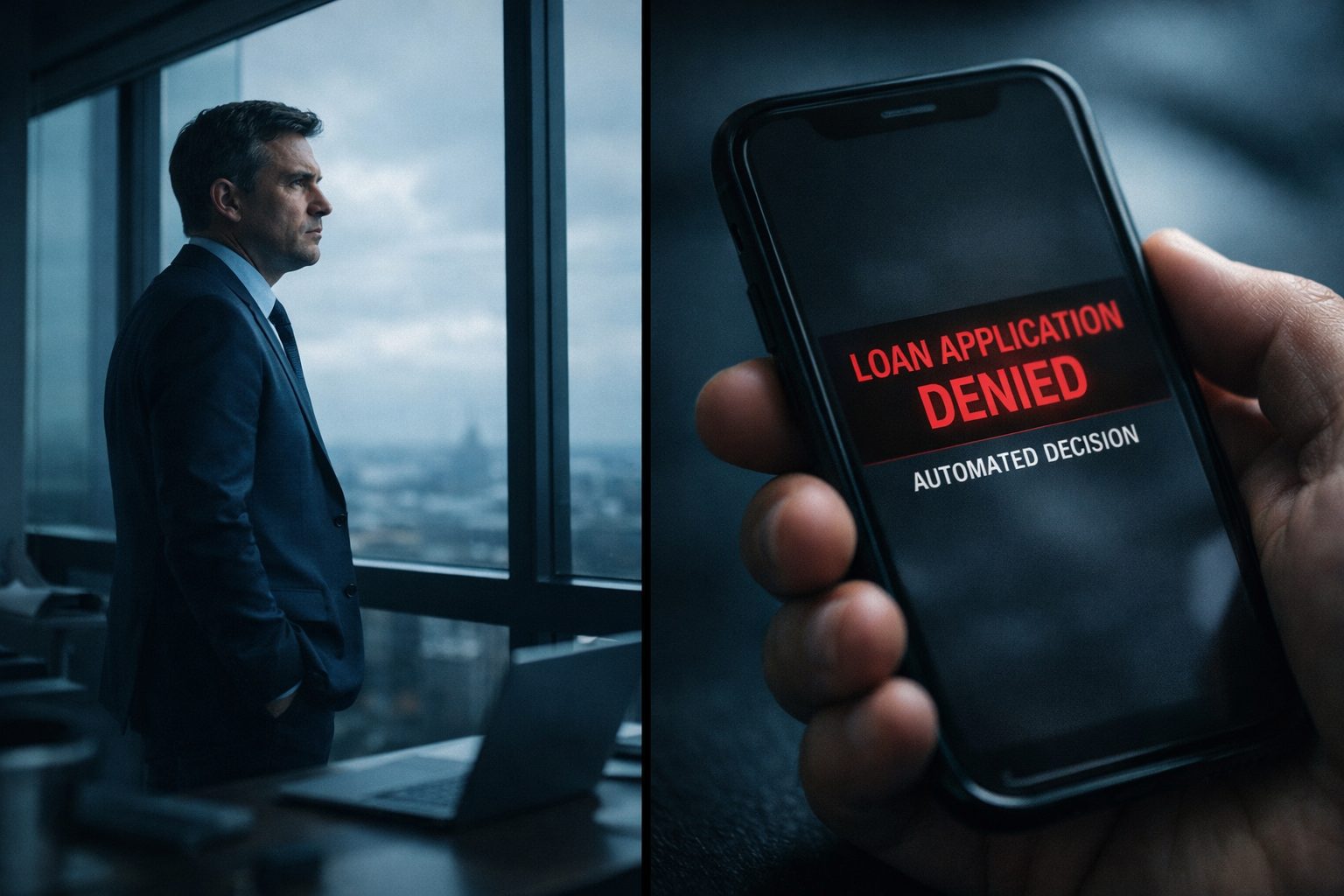
They applied for a business loan last month. Strong credit history, solid cash flow, 15 years in business. Application denied in 47 seconds. No human looked at it. No phone call. Just an automated email with the standard “unfortunately at this time” language.
The algorithm saw something. Maybe their postcode. Maybe their industry classification code. Maybe the fact that three of their recent hires had strange names. We’ll never know, because the system doesn’t explain itself, and the bank’s human employees can’t override it even if they wanted to.
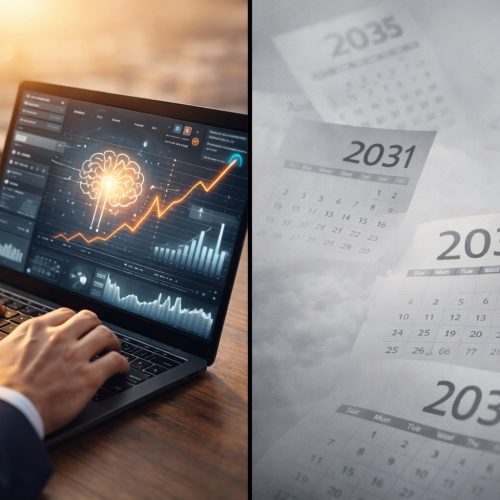
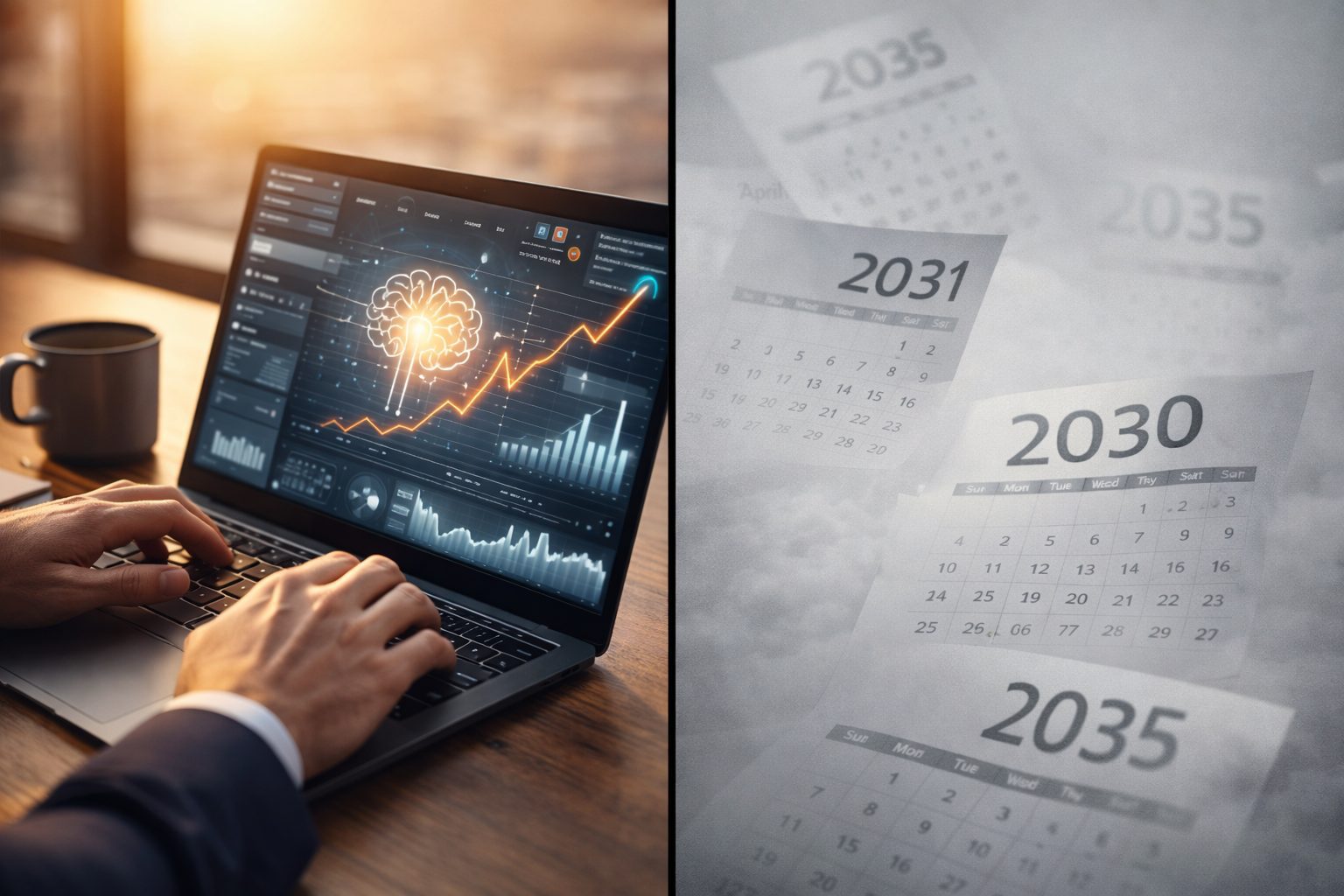
Meanwhile, that same business owner is on LinkedIn sharing articles about how AI might replace their grandkids’ jobs in 2035.
This is the gap that’s costing you right now.
I see it every week here on the Sunshine Coast. Business owners are terrified of what’s coming while completely blind to what’s already here. And what’s already here should scare them a lot more, because it’s making decisions about their lives this morning, not in some science fiction future.
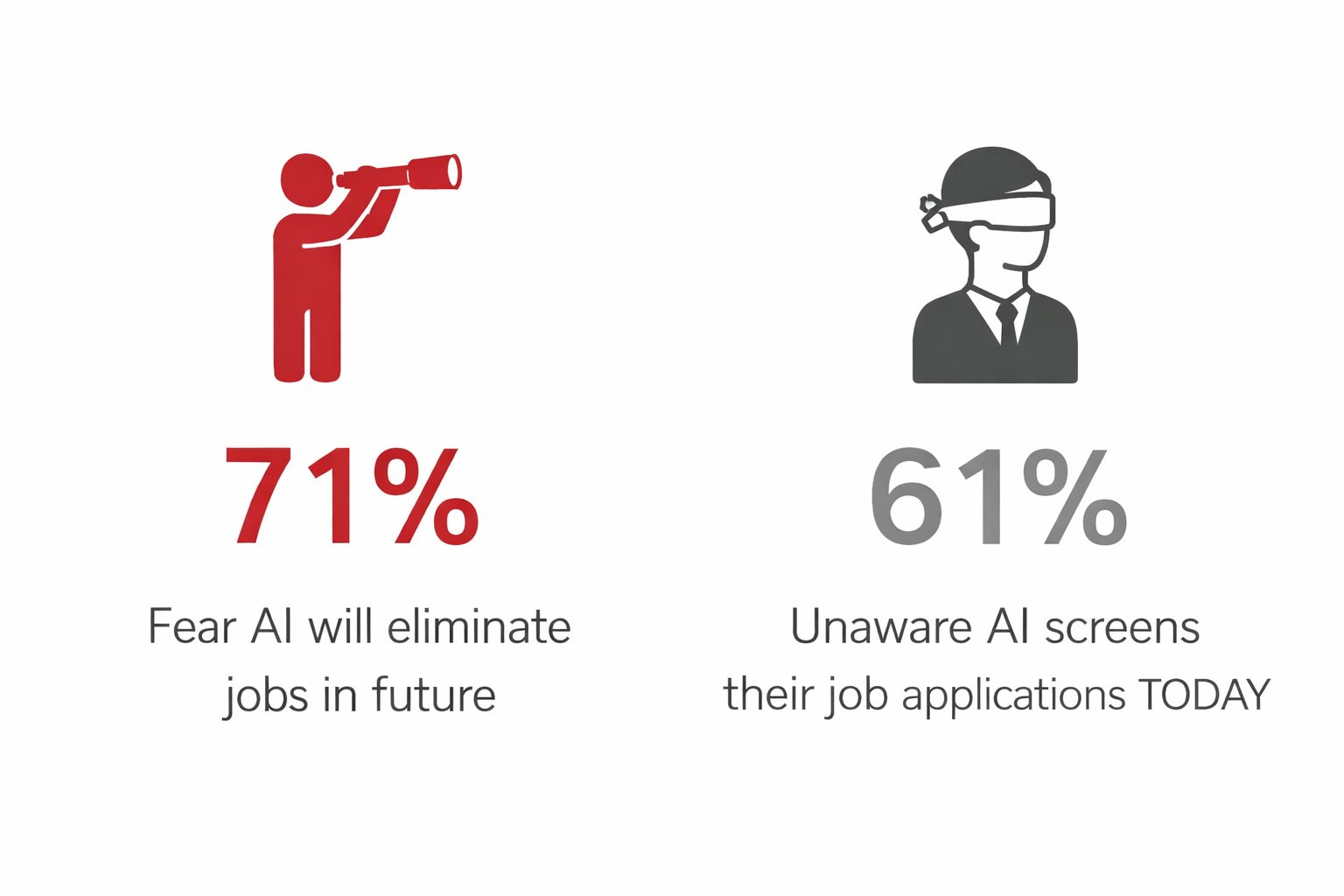
The data is brutal. 71% of people fear AI will permanently eliminate jobs. Sounds reasonable, right? Except only 14% have actually lost jobs to automation. We’re overestimating the threat by 2 to 5 times. But here’s where the stuff gets more interesting. While everyone’s watching the horizon for the robot apocalypse (SKYNET, anyone?), 61% of Americans haven’t even heard that AI is already screening their job applications. Despite 99% of Fortune 500 companies using it.



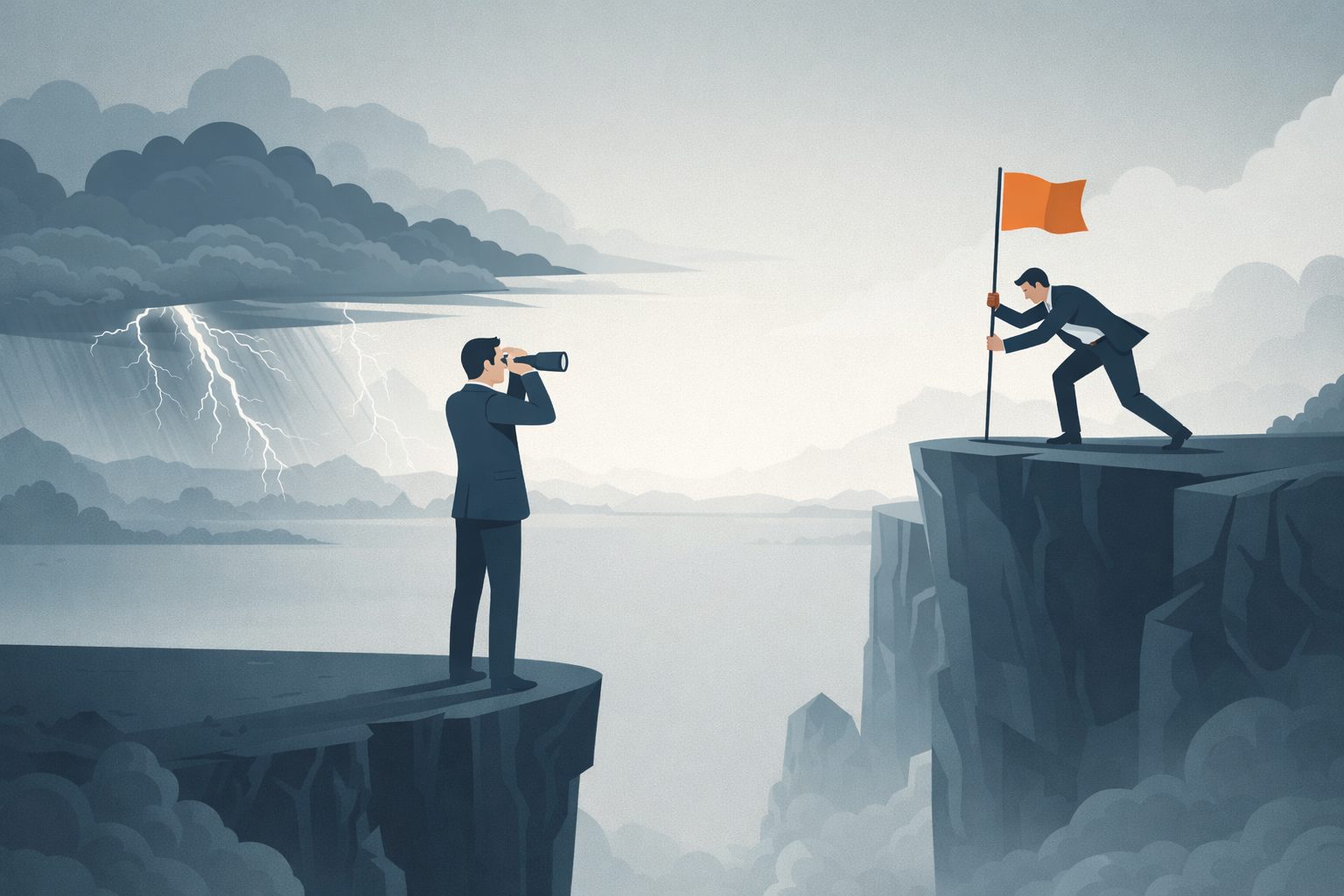
You’re not worried about the wrong thing. You’re worried about the wrong timeline.
Let me tell you what AI is doing today, not tomorrow. Right now, as you’re reading this:
Your health insurance company is probably using AI to decide your premiums. 84% of large insurers do. That chronic condition you mentioned on your application? The algorithm saw it, cross-referenced it with 47 other data points you don’t know about, and made a decision in milliseconds.
Your bank is running every transaction through AI fraud detection. 91% of US banks do this. That legitimate purchase that got flagged and froze your account? AI decision. The human on the phone can’t tell you why, because they genuinely don’t know.
If you’re hiring, the resume you just posted is being screened by AI before you see it. 83% of companies will use AI for this by end of year. If you’re job hunting, same deal. Your application is being rejected or approved by an algorithm that’s looking for patterns you can’t see and wouldn’t understand if you could.
And nobody’s talking about this because the future is sexier than the present.
I was at a chamber event last month, and someone asked me about ChatGPT’s impact on their industry. Great question. But they hadn’t realised that their competitor down the road has been using AI for customer service for 18 months and is handling 95% of inquiries at $0.10 per interaction instead of $6-8 for human service. While they worried about artificial general intelligence, their competitor was capturing market share with technology that had been commercially available since 2022.
This isn’t a Sunshine Coast problem. It’s a human psychology problem. The availability heuristic. We remember dramatic scenarios, Terminator-style AI, mass unemployment, because they’re easy to imagine. Mundane algorithmic decisions about insurance premiums? Boring. Not scary. Except they’re happening to you right now.
Want to know what real AI displacement looks like?
Chegg. Education company. Market cap of $14 billion in February 2021. By November 2024? $191 million. That’s a 99% destruction of value. Not from some future AI breakthrough. From ChatGPT, which you can use for free right now.
The CEO knew it was coming. Employees had pitched AI integration before ChatGPT launched. Leadership thought the technology wasn’t accurate enough. They were wrong. Students ran their own comparison tests. GPT-4 beat Chegg’s human-sourced answers. 62% said they’d use ChatGPT, compared with 30% for Chegg.
The company cut 22% of its staff in May 2025, then another 45% in a subsequent restructuring. Analyst verdict: “Chegg is spiralling with no stability in sight.”
That’s not a cautionary tale about the future. That’s what happened because a company watched the horizon while freely available AI tools ate their lunch in real time.





And here’s the Australian angle that should concern you.
We’re cautious. 64% of Australians say AI makes them nervous. Highest globally except Ireland. Less than half trust AI at work. Our active deployment rate is 29% versus India at 59%, UAE at 58%, Singapore at 53%, China at 50%.
Queensland’s jumping. 22% to 29% adoption in Q4 2024 alone. Strongest growth of any Australian state. But 8 in 10 Queensland businesses still use AI only for simple tasks or not at all. Only 10% use it extensively, though that doubled from 5% in a year.
We have the infrastructure. Tabua subsea cable landing on the Sunshine Coast. NEXTDC Edge Data Centre. Recognition as one of the world’s Top 7 Intelligent Communities four times in five years. Queensland AI Hub. NEO immersive reality precinct.
The gap isn’t availability. It’s adoption. And while we wait for the “right time,” the rest of the world is compounding advantages we won’t catch.
OpenAI’s economic blueprint estimated $112 billion in potential value for Australia from broad AI adoption. 4% GDP lift. 7% average wage boost. CSIRO projects $280 billion by 2030.
We’re treating this like a nice-to-have. It’s not. 90% of Australian jobs have medium to high AI augmentation exposure. The disruption is coming whether you adopt or not. The only question is whether you’re doing the disrupting or getting disrupted.

So what does this actually mean for you?
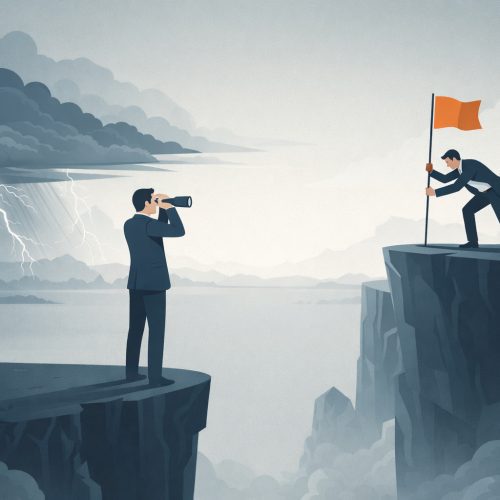
Stop watching the horizon. Look at your desk.
What are you doing repeatedly? What questions do you answer over and over? What processes run the same way every time but still require human attention? That’s where AI wins today, not tomorrow.
Don’t ask “Will AI be smarter than humans someday?” Ask “Can AI handle the boring stuff I’m doing right now?”
Don’t worry about whether algorithms will be “fair” in some hypothetical future. Check whether the algorithms already making decisions about your credit, your insurance, and your job applications are fair today. Spoiler: they’re probably not, and you deserve to know.
Don’t wait for a perfect understanding of the technology. Nobody perfectly understood the internet in 1995, but the businesses that adopted early compounded advantages the laggards never recovered from. This is that moment again, except faster.
The greatest AI risk you face isn’t what it might become.
It’s what it already is, making decisions you don’t see, creating advantages for competitors you haven’t noticed, reshaping markets while you’re still planning to plan to explore the possibility of maybe considering adoption.
The future of AI is already here. It’s just that most people are too busy worrying about 2035 to notice that 2026 is eating their lunch.

The question isn’t whether AI will change your business. It’s whether you’ll notice it already has.
Now. What are you going to do about it?